Discover the World of Creativity: The Complete Guide to Art Books and Their Impact
Art books maintain a special role in the landscape of creative endeavors and artistic innovation. They serve not only as fonts of artistic motivation but also as critical instructional instruments that investigate different approaches and cultural frameworks. Their role in linking historical narratives with contemporary art should not be underestimated. As the digital age progresses, the format and impact of these books are shifting. This prompts a reevaluation of their significance in nurturing creativity today. What does this evolution represent for future artists?
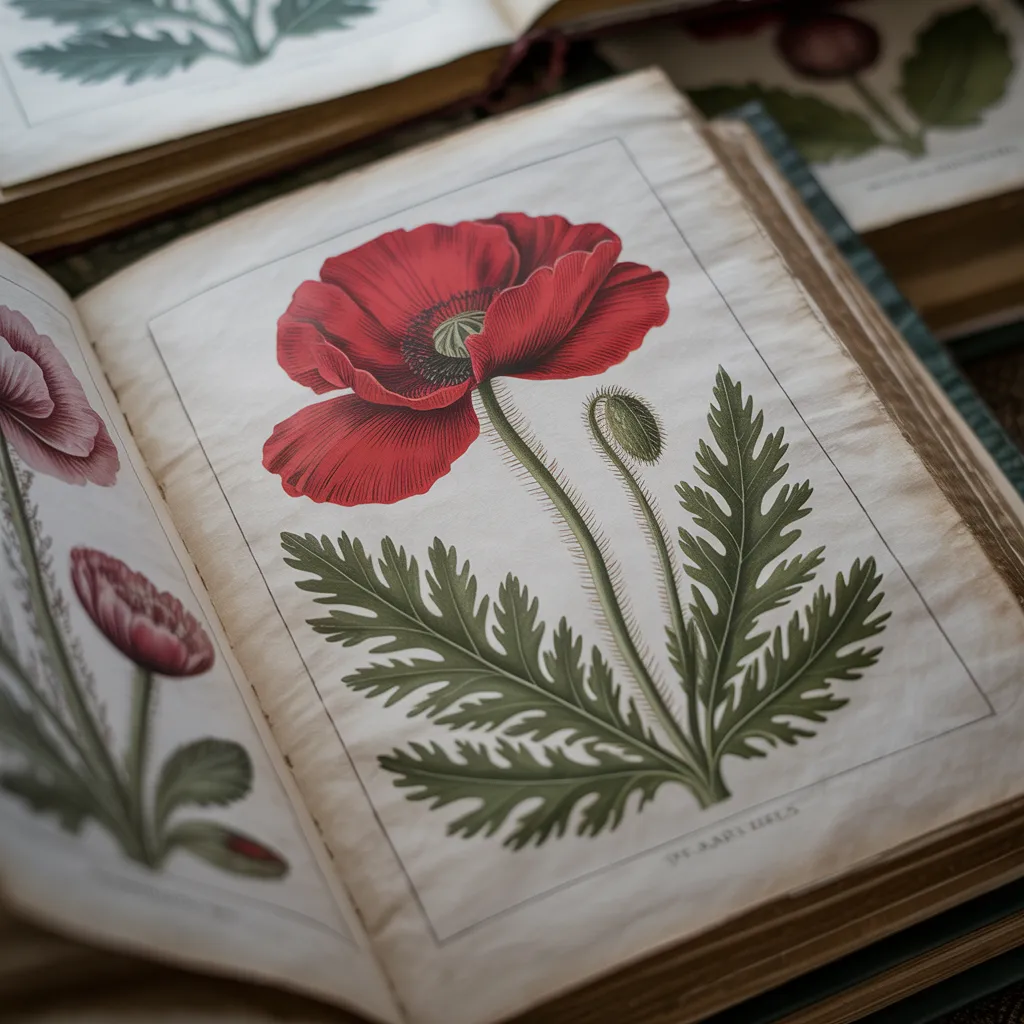
Visual Inspiration's Impact in Art Books
Though art books address numerous purposes, their most important impact rests in their ability to inspire creativity through visual stimulation. Each page turns into a portal, offering glimpses of different artistic expressions that ignite the imagination. The composition of images, colors, and textures can evoke emotions and provoke thought, inspiring viewers to explore their own creative drives.
Art books often showcase the works of acclaimed artists alongside emerging talents, offering a rich tapestry of styles and ideas. This variety not only expands one's understanding of art but also highlights the limitless possibilities of creative expression. By exploring these visual narratives, individuals can find inspiration to experiment with their own artistic endeavors. Eventually, the power of visual inspiration in art books develops a deeper appreciation for the arts and awakens a passion for creation, fostering the innate creativity within each person.
Examining Artistic Techniques and Expressions
Art books act as indispensable resources for exploring various artistic methods and approaches, uncovering the subtleties and complexities that characterize each approach. They present in-depth analyses of methods spanning from classical painting approaches, such as chiaroscuro and glazing, to contemporary methods like mixed media and digital art. Through comprehensive illustrations and instructional guides, these publications simplify complex processes, making them available to both novices and experienced artists.
Readers can uncover the features that define styles such as Impressionism, Cubism, and Abstract Expressionism, developing insights into the artists' intentions and the contextual framework behind their choices. By reviewing the works of renowned practitioners alongside lesser-known talents, art books cultivate a wider appreciation of varied techniques. In the end, they work as a bridge, connecting aspiring artists with the vibrant landscape of artistic expression, nurturing both inspiration and technical skill development.
Grasping the Artistic Background of Art
Understanding the cultural context of art is vital for appreciating its historical significance and societal reflections. Art functions as a mirror to the varied experiences and values of different communities, highlighting global perspectives. This exploration illustrates how various factors, including politics, religion, and social dynamics, influence artistic expression across cultures.
The Historical Impact on Art
When cultural movements and historical events intersect, they shape the evolution of artistic expression, unveiling the profound connection between art and its societal context. Over the course of history, artists have reacted to the world around them, drawing inspiration from political upheavals, technological advancements, and social changes. For instance, the Renaissance signified a revival of classical themes, demonstrating a shift in humanist thought, while the tumult of the 20th century gave rise to movements such as Surrealism and Abstract Expressionism, echoing the chaos of the times. Art functions as a historical document, maintaining the ethos of its era and providing insights into the collective psyche of societies. This interplay between history and creativity underscores the importance of understanding the context in which art is crafted.
Social Commentary Through Art
Creative works frequently function as reflections mirroring the complexities of society, embodying the values, struggles, and aspirations of the culture that creates them. Over the centuries, artists have responded to social issues, political movements, and cultural shifts, crafting creations that encourage contemplation and spark evolution. From the poignant critiques of societal norms in the works of the Impressionists to the striking representation of marginalized voices in contemporary art, each piece presents awareness of the prevailing sentiments of its time. Art becomes a channel for expression, conveying emotions and experiences that resonate across generations. Comprehending these societal reflections enriches admiration of art, revealing its role not merely as decoration, but as a profound observation of human experience and collective identity.
Global Outlooks and Diversity
Art finds deep influence by the cultural contexts in which it is created, offering a rich tapestry of global perspectives and diversity. Each culture brings unique narratives, techniques, and philosophies that shape artistic expression. Art books serve as vital resources, illuminating these varied backgrounds and fostering appreciation for different traditions. By exploring works from diverse cultures, readers gain insight into the values, struggles, and triumphs that inform artistic creation. This understanding enriches the viewer's experience and promotes empathy across cultural boundaries. Additionally, art books often showcase underrepresented voices, advocating for inclusivity within the art world. Finally, recognizing the interplay between culture and art enhances the global dialogue, encouraging a broader appreciation for the numerous ways creativity manifests across societies.
Art Books as Pedagogical Resources
Art books function as essential educational tools by enhancing visual learning and delivering a richer understanding of historical contexts. They permit readers to explore various techniques and practices that have shaped artistic expression over time. This comprehensive approach cultivates a complete appreciation of art and its evolution.
Visual Learning Enhancement
Art books serve as powerful educational tools that significantly enhance visual learning. These books present comprehensive visual material, enabling learners to experience images that inspire creativity and critical analysis. Through showcasing diverse artistic styles, techniques, and mediums, these books enable a more profound comprehension of visual concepts. They encourage learners to analyze compositions, colors, and textures, fostering observational skills that are essential in both art appreciation and creation. Art books also regularly present commentary from artists and curators, supplying insights that further augment the educational experience. Ultimately, including art books in educational contexts strengthens visual literacy, permitting learners to relate to art meaningfully and encouraging their own creative efforts.
Historical Background Comprehension
Throughout the investigation of the historical context of different art movements, art books serve as vital resources that strengthen the understanding of cultural and social influences on artistic expression. These publications typically provide thorough analyses of significant periods, such as the Renaissance or Modernism, demonstrating the interplay between artists and their environments. By analyzing the socio-political conditions and technological advancements that shaped these movements, readers develop insight into the motivations and intentions behind the artwork. Furthermore, art books commonly include thoughtful essays, artist biographies, and curated collections, fostering a more comprehensive appreciation for the diverse narratives within art history. Through this educational lens, art books elucidate the evolution of creative thought, encouraging readers to engage with art on a deeper level.
Technique Exploration and Practice
Unlocking the methods of various artistic disciplines, art books serve as essential educational tools for both emerging and established artists. These resources provide extensive insights into wide-ranging techniques, from traditional painting and drawing to modern digital art forms. By displaying step-by-step instructions, visual examples, and expert insights, art books facilitate hands-on practice and exploration. They encourage artists to experiment with styles, mediums, and methods, fostering creativity and skill development. Furthermore, art books often feature exercises and prompts that challenge practitioners to push their boundaries, enhancing their artistic abilities. Ultimately, the wealth of knowledge presented within these volumes empowers artists to refine their craft and discover new avenues of expression, making them essential companions in any artist's journey.
Developing Individual Creativity Via Art Books
Art books act as powerful tools for nurturing personal creativity, encouraging individuals to investigate useful resource their artistic potential. By showcasing wide-ranging styles, techniques, and concepts, these books encourage readers to approach things differently and test their own work. The vibrant visuals, coupled with insightful commentary, trigger innovative thinking and provoke new ideas.
Moreover, art books commonly present an historical context that strengthens comprehension and appreciation of numerous movements and artists, helping individuals to derive inspiration from the past. This relationship to art history can ignite innovative approaches and individual interpretations in individual creations.
Moreover, the hands-on experience of turning pages and the capability to review favorite works creates a meaningful connection to the material. As a result, art books not only work as resources for study but also as catalysts for personal expression and creativity, enabling individuals to begin their artistic journeys.
How Art Books Have Evolved in the Digital Age
As the digital revolution changes how information is consumed, the evolution of art books shows significant changes in presentation and accessibility. Traditional print art books, previously limited to galleries and bookstores, now coexist with digital formats, providing wider access to varied audiences. E-books and interactive apps have emerged, delivering features such as zoomable images, videos, and augmented reality, improving the viewer's understanding and experience of the artwork.
Moreover, social media platforms empower artists and publishers to share their work instantly, encouraging community engagement and dialogue. This shift has made accessible art appreciation, permitting emerging artists to reach global audiences without the constraints of traditional publishing. However, the tactile experience of printed art books remains treasured by many, highlighting a hybrid future where digital and physical formats coexist. As technology continues to evolve, so too will the ways in which art books preserve and convey creativity, guaranteeing their relevance in an increasingly digital world.
Common Questions
Which Are the Best Art Books for Beginning Artists?
For those just starting out, essential art books include "Drawing on the Right Side of the Brain" by Betty Edwards, "The Story of Art" by E.H. Gombrich, and "Ways of Seeing" by John Berger, providing fundamental knowledge and methods.
How Should I Organize My Art Book Collection?
You can organize an art book collection by classifying books by artists, themes, or styles. Employing shelves, labels, and digital catalogs boosts accessibility, which makes it simpler to locate and enjoy specific works.
Can You Find Art Books Designed Specifically for Children?
Yes, there are numerous art books purposefully designed for children. These books typically feature appealing illustrations, clear language, and interactive activities to spark creativity and foster an early appreciation for art among young readers.
What Causes an Art Book a Collectible Item?
Art books gain collectible status through limited editions, unique illustrations, author or artist signatures, historical significance, and aesthetic qualities. Collectors frequently pursue items that deliver both aesthetic appeal and intellectual or cultural significance.
How Can I Purchase Rare Art Books?
Collectors can purchase rare art books at dedicated book retailers, web-based auction websites, rare book fairs, and galleries. Enthusiasts frequently search for established dealers or online resources for fine art and antiquarian books for special acquisitions.